How to Fry Fish and Chips at Home Without a Deep Fryer: Oven and Air Fryer Methods
Fish and chips at home usually means one of two things: a pan of oil on the stove that leaves the kitchen smelling of it for two days, or a tray of frozen oven chips and a pale, limp fillet. Neither is the Friday night you were hoping for.
You can get much closer than you'd think without a deep fryer. The oven and the air fryer work on the same principle as hot oil — driving moisture off the surface fast enough that it browns before the inside dries out. They just need more help. Here's how to give it to them.
What Changes When You Skip the Deep Fryer
Hot oil does two jobs at once. It transfers heat aggressively, and it surrounds the food completely, so every millimetre of batter sets at the same moment. An oven does neither. Air is a poor conductor, and a baking tray only touches one side of the fish.
That's why oven fish so often comes out patchy: crisp at the edges, soggy in the middle. The fix isn't more oil. It's better contact — a hot pre-oiled surface, a wire rack that lets air circulate underneath, and enough space between pieces that steam can escape instead of pooling.
Give the surface of the food a head start and the oven will do the rest. Crowd the tray and nothing will crisp, no matter how long you leave it in.
Choose the Fish and Cut the Chips Properly
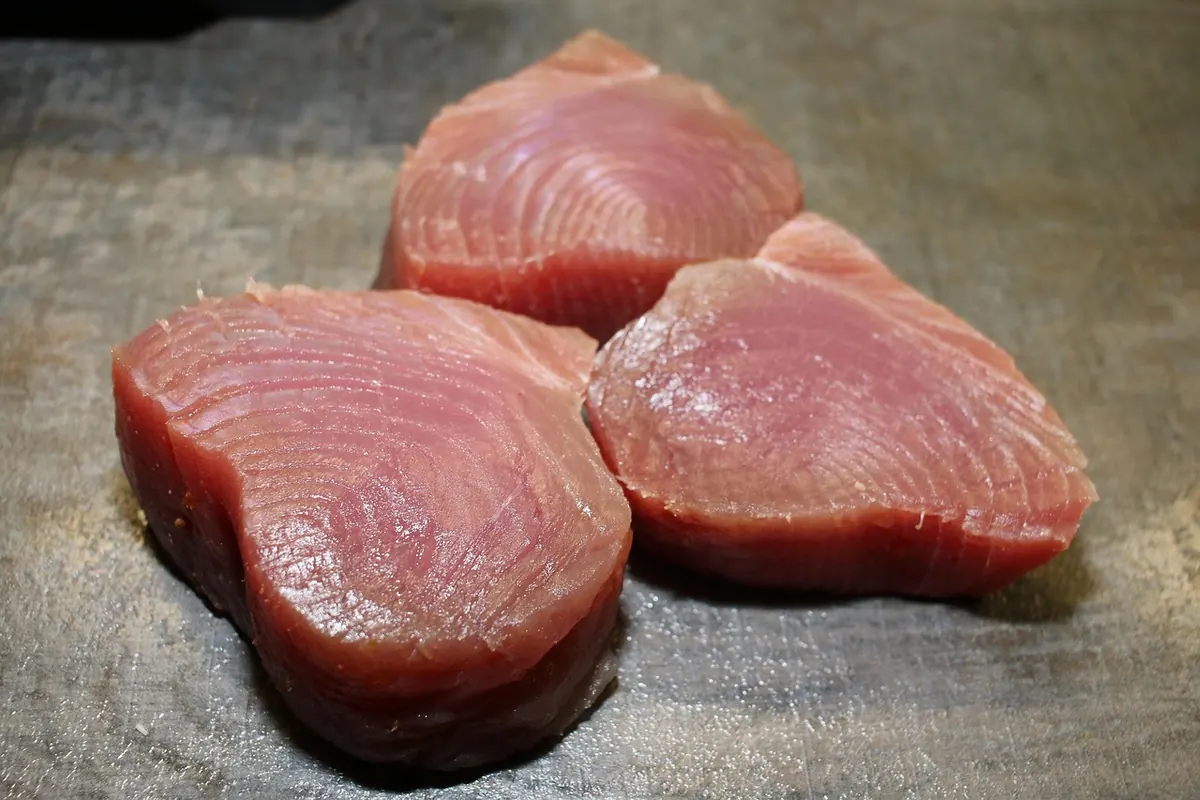
For the fish, look for thick, firm white fillets: cod, haddock, pollock, hake or coley. Aim for something around 2–3cm thick. Thin tail ends cook through before the coating browns, which is why they turn leathery. If you're using frozen fillets, thaw them fully in the fridge overnight and dry them thoroughly with kitchen paper — surface water is the enemy of crunch.
For the chips, floury potatoes are what you want. Maris Piper, King Edward, Rooster and russets all break down slightly at the edges, which is exactly what gives you a rough, crunchy exterior. Waxy salad potatoes stay smooth and glassy and never quite crisp up.
Cut them into batons about 1.5cm thick — thicker than a French fry, thinner than a roast potato. Rinse off the surface starch, then parboil in well-salted water for 5–7 minutes, until the outside is tender but the middle still resists a knife. Drain, leave them in the colander for five minutes to steam dry, then give the pan a shake so the edges scuff up. Let them cool completely. You can do this hours ahead and keep them in the fridge.
Coating and Oil: The Two Decisions That Decide Crispness
A light batter
A proper chip-shop batter is thick and relies on a bath of hot oil to puff and set instantly. In dry heat, that same batter turns pale and chewy. Thin it down instead: about 100g plain flour, two tablespoons of cornflour, a teaspoon of baking powder and a pinch of salt, whisked with 150–175ml of very cold beer or sparkling water. The cornflour keeps it crisp, the baking powder lightens it, and the cold liquid slows gluten development. Leave a few lumps. Mix it just before you cook, dip, and get the fish into the pan.
A crumb coating
Breadcrumbs are the more forgiving option in an oven, and they brown far more reliably than batter. Plain flour, then beaten egg, then panko or coarse dried breadcrumbs, pressed on firmly with the heel of your hand. Panko's bigger flakes give you more edges to crisp. Stirring a teaspoon of oil through the crumbs before coating helps them colour evenly.
How to oil
Use a neutral, high-smoke-point oil: rapeseed, sunflower, groundnut or light olive. Save the extra virgin for salads. Brush or mist both sides of the fish, using roughly one to two teaspoons per fillet, and toss the chips with about a tablespoon of oil per two large potatoes. If you're using an air fryer, brush or use a refillable mister rather than an aerosol cooking spray, which can damage the nonstick basket over time. Never pour oil into an air fryer drawer — the fan doesn't need it and it will smoke.
Oven Method, Step by Step
- Heat the oven to 220°C (425°F), or 200°C (400°F) if it's fan-assisted.
- Slide a baking tray with a thin film of oil into the oven to heat for 10 minutes. A wire rack set over a tray also works well and needs no pre-oiling.
- Toss the parboiled, cooled chips with oil and spread them on a second tray in a single layer. Roast for 30–40 minutes, turning every 10 minutes.
- Pat the fish dry, season it, then coat it and lay it on the hot tray or rack with space between each piece.
- Add the fish for the last 12–18 minutes, turning once at the halfway point. It's ready when the coating is deep gold and the flesh flakes at the thickest point.
- If the fish is cooked but the coating is still pale, give it two or three minutes under a hot grill, close to the element, watching it constantly.
Air Fryer Method, Step by Step
- Preheat at 200°C (400°F) for four to five minutes. Skipping this is the single most common reason air fryer food comes out pale.
- Dry everything properly, then cook the chips in a single layer for 18–25 minutes, shaking the basket every six or seven minutes.
- Cook the fish separately at 190–200°C for 10–14 minutes for a 2cm fillet, flipping once and brushing the new top side with oil.
- Leave gaps between pieces. Stacked food steams, and steamed coating goes soft.
- Rest the fish on a rack for two minutes — not on a plate, where the bottom will sweat.
Crispness Tricks Worth Knowing
- Salt after cooking, not before. Early salt pulls moisture to the surface and undoes your work.
- A pinch of bicarbonate of soda in the parboiling water makes it slightly alkaline, which browns the chips faster. Half a teaspoon is plenty; more tastes soapy.
- Dust dry fish with cornflour or rice flour before the egg or batter. It gives the coating something to grip.
- Chill crumbed fish uncovered for 10 minutes so the coating sets before it hits the heat.
- Cook in small batches. Two trays done properly beat one overloaded tray every time.
- Reheat leftovers at 190°C for three to four minutes. A microwave will destroy the coating.
Serving It Right
This food has a short window. Salt the chips the second they leave the heat, splash on malt vinegar, and get everything onto warm plates while the coating still crackles. Tartare sauce, mushy peas and a wedge of lemon are all you need alongside.
If you're cooking for a crowd and timing is tight, hold the finished fish in a low oven at around 100°C — but leave it uncovered. Foil traps steam and turns crisp coating soft within minutes. And if you're managing a heart condition or following specific dietary advice, it's worth checking with a doctor or dietitian about how often fried-style food fits your plan.
Photo: Pexels / Pixabay