The 10-Point Chip Shop Checklist: How to Spot a Great Fish and Chip Takeaway
Fish and chips is one of the few meals where the gap between good and mediocre is enormous, and you can usually spot which one you're in for before you've paid. A great takeaway announces itself: the smell at the door, the sound of the fryer, the colour of the batter. A poor one hides in plain sight, and you only find out in the car.
The trick is to judge the shop in the ninety seconds you spend queueing. What follows is a ten-point checklist — the things worth looking at, sniffing and asking before you order. None of it needs special knowledge. It just needs attention at the counter instead of at your phone.
The Exterior and the Queue
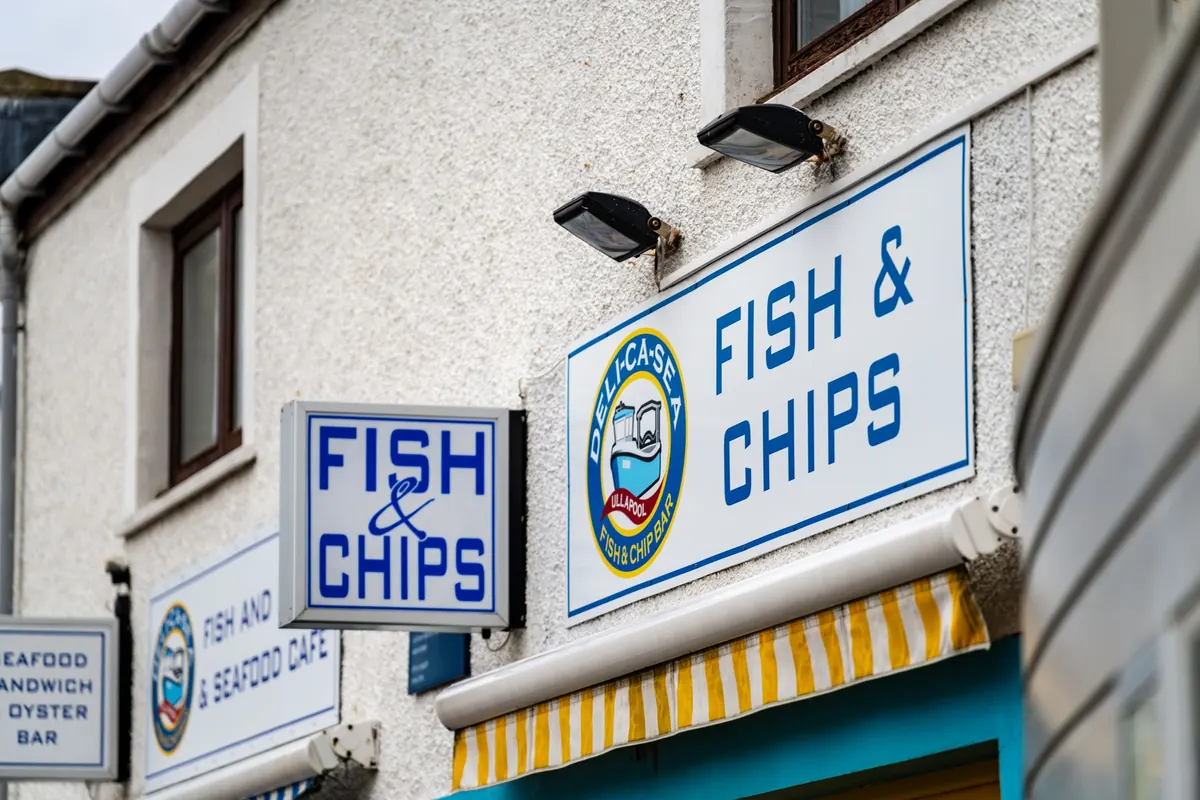
Start outside. A shop that cares about frying usually cares about the frontage: clean windows, a legible sign, no bins overflowing by the door. That isn't snobbery. It's a decent indicator of whether anyone is paying attention on a wet Tuesday.
The queue tells you more. You want a steady trickle, not a crush and not an empty room. Ten people waiting means the fryers are turning over constantly, which is exactly what you want, because nothing sits. An empty shop at seven in the evening is a warning, not a bargain.
Then watch what happens when an order comes in. If staff are lifting fish from a hot cabinet and dropping it straight into paper, walk away. If they're dipping fresh fish into batter and lowering it into the oil, you've found the right place.
The Batter: Colour, Crust and Sound
Good batter is pale gold to deep gold with a blistered, uneven surface. It should look like it has been through hot oil recently, not like it has been resting under a lamp. Dark brown, mahogany, or a glossy sheen usually means one of two things: tired oil, or a second trip through the fryer. Both taste bitter, and neither can be rescued with vinegar.
What to check when it lands
- Crispness: tap the top with a fork. It should sound dry, not spongy.
- The drip test: hold it over the paper for a moment. A few spots of oil are normal; a spreading slick is not.
- The inside: white, opaque flesh that flakes in big pieces. Grey, translucent or watery flesh means it was cooked long ago.
- The seal: batter should cling to the fish. If it slides off in one sheet, the fish was too wet when it went in.
Chips: The Real Tell
Anyone can fry a piece of fish on a good day. Chips are harder to fake.
Look for irregular shapes — hand-cut chips vary in width, with slightly ragged edges and a few darker ones in the mix. Uniform rectangles with square corners are usually factory-made, which is fine in a pinch but not what you came for.
Good chips are crisp outside, fluffy inside, and taste of potato rather than oil. If you want to judge properly, ask for them without salt; seasoning hides a lot. Limp and pale means the oil wasn't hot enough. Hollow and dark means it was too hot, or they've been fried twice.
Service, Timing and the Bag
The person serving you is the last checkpoint. A good shop asks whether you want salt and vinegar, and applies them at the counter rather than handing you sachets to deal with in the car. They'll tell you how long a fresh fish will take — usually a few minutes — and they won't mind you waiting.
Listen for that offer. A shop that cooks to order is telling you it expects to be busy. Say yes to the wait, even when you're hungry. You are almost always better off with five minutes of patience than with the last piece in the warmer.
Then watch the wrapping. Paper, folded properly with a little ventilation, beats a sealed plastic box every time. Trapped steam turns crisp batter into a soggy sleeve within minutes.
Cleanliness: Look Up, Look Down
Most people glance at the floor and stop there. Look higher and lower as well.
- The display: fish should sit on ice or in a chilled tray, covered, with no cloudy liquid pooling underneath.
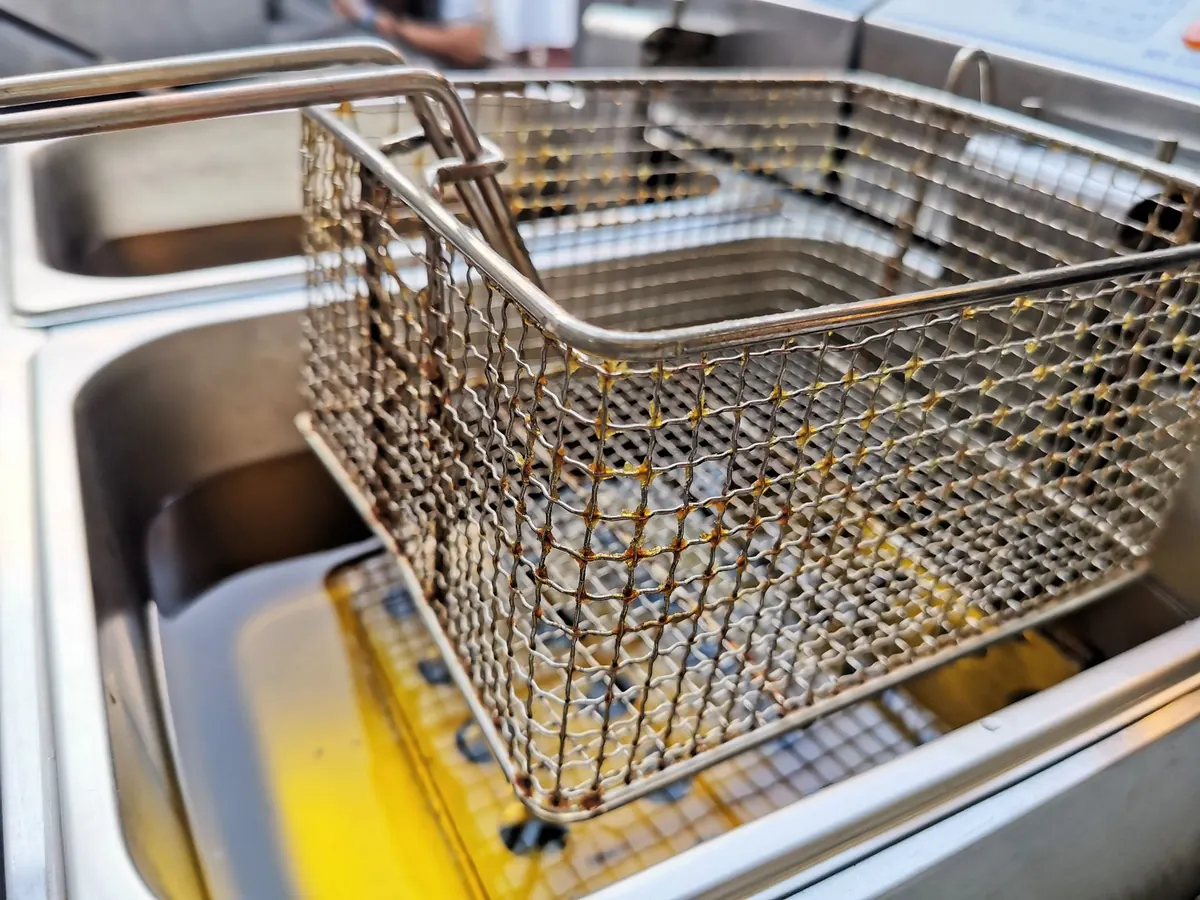
- The fryer: the oil should be amber, not black, and the surrounding steel wiped rather than caked.
- Ceiling and vents: a thick layer of old grease above the range is never a good sign.
- Hands: staff should be washing between handling raw fish, cash and cooked food. Aprons should look used, not filthy.
- The smell: if the shop smells of stale oil at the door rather than hot batter, that smell is coming from somewhere.
The Ten-Point Checklist
- A steady queue of regulars rather than a rush of one-off visitors.
- Fish visible on ice, not pre-battered and stacked in a tray.
- Batter that is gold and blistered, never dark or glossy.
- The fryer is active — you can hear it working.
- Chips that are hand-cut and irregular in size.
- Salt and vinegar applied at the counter, on request.
- Paper wrapping rather than a sealed plastic container.
- Clean hands and aprons, and no phone by the fryer.
- Floors, counters and drains that look tidy during the evening rush.
- Everything you're given was cooked recently, not scooped from a warmer.
Taking It Home
Two or three ticks is enough to walk away and try elsewhere. Six or more and you've found a shop worth a detour. None of these points require you to be nosy or awkward — they're all things you can see, hear or smell while you're standing in line deciding what to order.
Once you've bought it, eat it fast. Fish and chips peaks in the first ten minutes, and after that steam does its quiet work. Keep the paper open in the bag on the way home rather than sealing it shut. If it does go cold, reheat it in a hot oven on a rack; a microwave will steam the batter straight back to mush.
And if fried food is a regular part of your week, that's a conversation for your GP or a dietitian rather than a checklist. The checklist is only there to make sure the occasional treat is a genuinely good one.
Photo: Michał Robak / Pexels