The History of Fish and Chips: From Industrial Britain to the Modern Chippy
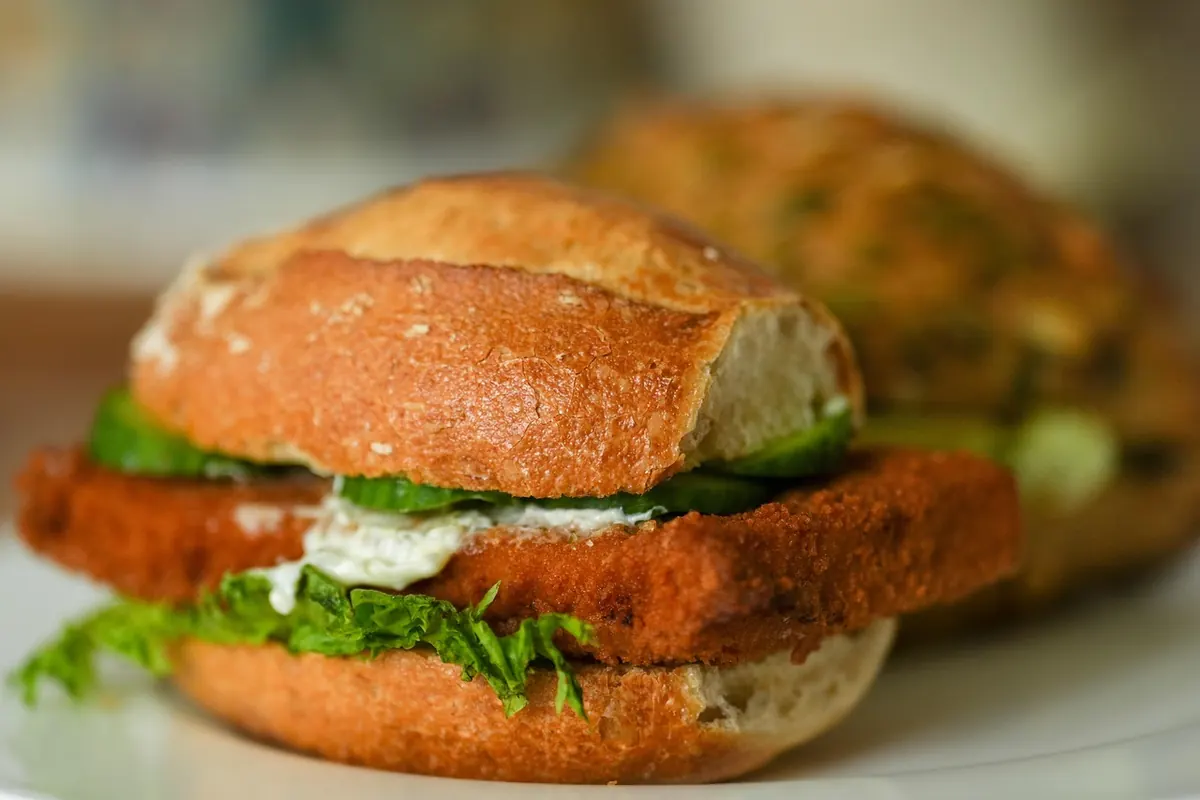
Long before anyone called it a national dish, fish and chips was a practical answer to a working-class problem: how to feed a crowd something hot, cheap and filling at the end of a long shift. Fried fish came from one community, fried potatoes from another, and the two met on the streets of Victorian Britain. That meeting explains why a takeaway once wrapped in yesterday's newspaper still carries more affection than any other.
Two Street Foods, One Paper Wrapper
Fried fish came first, in the hands of Jewish immigrants. Sephardic families who settled in London in the seventeenth and eighteenth centuries fried fish in oil and sold it from stalls, and by the 1830s Charles Dickens could refer offhandedly to "fried fish warehouses" in Oliver Twist — a sign his readers already knew the trade.
Chips have a murkier parentage. Fried potato strips appear in France and Belgium in the same period, and in Ireland too; nobody has a signed birth certificate for them. What is certain is that by the mid-nineteenth century, thick-cut potatoes fried in beef dripping were being sold cheaply in the industrial towns of northern England, where they made a filling meal for people with little money to spare.
Put them together and you get something greater than the sum of the parts: protein, carbohydrate, salt, fat and vinegar, eaten out of the paper with your fingers.
Who Opened the First Chippy?
There are two main claimants, and neither can be proved. One is Joseph Malin, whose family opened a fried fish and chip shop in Cleveland Street, Bow, in London's East End, usually dated to around 1860 — the first business to sell both under one roof. The other is John Lees, who sold fish and chips from a wooden hut in Mossley, near Oldham, in 1863, and whose supporters note that the combination was a northern habit long before London took it up.
The honest answer is that the two trades merged in several places at once, wherever fish and potatoes met the same frying range. By the 1880s there were hundreds of shops. The argument about who was first is entertaining; the spread is the real story.
The Railways, the Ports and the Mill Towns
Fish and chips needed three things: cheap fish, cheap potatoes and a hungry population within walking distance. The railways delivered the first. Steam trawlers working out of Hull, Grimsby, Fleetwood and Aberdeen landed fish in volumes earlier generations could not have imagined, and trains carried it inland in ice before it spoiled. Potatoes grew almost everywhere, and the industrial towns had queues of workers wanting dinner on the way home.
The geography of the British chippy still shows it. Shops cluster near docks, old factory districts and terraced streets. In the early decades they stayed open long hours to catch shift changes, and the frying range sat at the front so the smell did the advertising.
Fish on Friday and the War Years
Friday fish was a habit long before the chip shop existed, thanks to Catholic abstinence and a wider Christian tradition of eating fish on that day. The chippy made it convenient, and Friday night became the busiest shift of the week — a rhythm plenty of shops still recognise.
The Second World War turned the trade into something closer to a public service. Fish and chips were kept off the ration book, a decision usually credited with protecting morale on the home front, even as the fishing fleet was requisitioned and trawler crews faced dangerous waters. Shops that lost windows and roofs reopened and carried on frying. That wartime status is a large part of why the meal carries a weight no other takeaway quite matches.
From Newsprint to White Paper
Serving food in newspaper was cheap, practical, and the ink on your fingers was part of the ritual. Hygiene rules tightened through the 1970s and 1980s and plain white paper took over. Some shops now use paper printed to look like newsprint — the look without the ink.
Salt, Sauce, Scraps and Suppers: A Regional Guide
Order the same words in different towns and you get different dinners. The details vary more than visitors expect.
- Salt and vinegar almost everywhere, applied at the counter rather than at home.
- Salt 'n' sauce in Edinburgh and much of the west of Scotland — a brown, tangy sauce in place of vinegar.
- Mushy peas across the north of England, especially Yorkshire and Lancashire.
- Scraps (also bits or batter) — crisp fragments from the fryer, free or a few pence, best scattered over chips.
- Curry sauce in the Midlands, Wales and Scotland; gravy in parts of the north.
- A supper in Scotland means chips plus whatever you ordered: fish, haggis, white pudding.
- Chips on a barm, cob, bap or muffin depending on where you are standing — a chip butty if you are not fussy about names.
- Haddock tends to beat cod in Scotland and the north-east; cod dominates in the south.
The Modern Chippy: Fewer Shops, Better Fish?
The trade has shrunk from its mid-twentieth-century peak. Numbers are commonly put at around ten thousand across the UK, and they keep slipping, squeezed by rising fish and energy costs, competition from every other kind of takeaway, and high streets that no longer empty at five o'clock. Delivery apps reach people who would once have walked, though battered cod that has spent twenty minutes in a box is never at its best.
Quality has moved the other way in places. Beef dripping has returned to some fryers, gluten-free batters made with rice flour are common, and many shops now name the oil they use. On the fish side, the collapse of North Sea cod in the 1990s forced a rethink; stocks have since been managed more carefully, and hake, pollock, coley and pouting appear alongside the classics. If sustainability matters to you, ask what is good today and look for certified sources rather than assuming cod is the only answer. Fried food is a treat rather than a daily staple, and portions are generous — worth keeping in mind if you are watching what you eat.
How to Get the Best Out of Your Local
A good chippy rewards a bit of familiarity. These habits make the difference between a decent bag and a great one:
- Go when the fryer is fresh. Ask what has just come out, or ask them to fry a piece for you. Most shops will, if you will wait a few minutes.
- Dodge the rush. Friday at seven is the hardest time to get anything cooked to order.
- Check the colour. Golden and crisp, not dark and tired. The batter should shatter rather than bend.
- Don't seal the bag. Trapped steam softens batter faster than anything else. Carry it open and eat within ten minutes.
- Take salt and vinegar at the counter so they work through the chips while everything is hot.
- Ask about scraps, mushy peas and what is local. The staff know the menu better than the sign does.
Order the same thing twice and you will learn whether a shop is consistent, which matters more than one perfect portion. Fish and chips has lasted a century and a half because it is simple, and simple things reward the people who do them properly.
Photo: mariya_m / Pixabay